GPT Image 2.5 vs Seedream 5.0 Pro: Which Is Better for Creators?
 by Aristotto11 min
GPT Image 2.5 and Seedream 5.0 Pro are two of the strongest image models for creators in 2026, but they are not strongest at exactly the same things.
GPT Image 2.5 is particularly useful when your workflow revolves around generating an image, editing it and continuing to refine the same creative. Seedream 5.0 Pro becomes especially interesting when the image itself needs to behave more like a designed piece, with dense information, structured layouts, multilingual text or precisely targeted edits.
Both can generate photorealistic images, work from references and edit existing visuals. The better choice depends on what happens after your first prompt.
| Criteria | GPT Image 2.5 | Seedream 5.0 Pro |
|---|---|---|
| Best for | Iterative generation and editing | Complex design and information-heavy visuals |
| Use it when | You need to generate, edit and refine the same image repeatedly | You need structured layouts, infographics or localized editing |
| Strong point | Reference preservation and conversational edits | Design reasoning and spatial editing |
| Text | Strong | Particularly useful for dense and multilingual text |
| Photorealism | Strong | Strong |
| Editing | Strong for natural-language iterative edits | Strong for targeted and region-specific edits |
| Infographics | Improved | One of its main specialist strengths |
| Better fit for | Creators, campaigns and reference-led iteration | Designers, information graphics and complex commercial layouts |
| Consider another model when | You need deeper layout or layer-oriented design control | You mainly need fast, simple iterative generation |
What is GPT Image 2.5 best at?
GPT Image 2.5 is particularly useful when image generation is not a one-prompt process.
The model is built around creating an image and then continuing to work with it. You can change a setting, modify clothing, relight a scene or adjust part of a composition while trying to preserve the subject and the details that already work.
That makes it useful for campaign variations, character work, product imagery, portraits and other creative tasks where starting over every time would be frustrating.
GPT Image 2.5 also improves lighting, texture, reference preservation and consistency across repeated edits compared with the previous generation. Faster generation also makes it easier to iterate without breaking the creative flow.
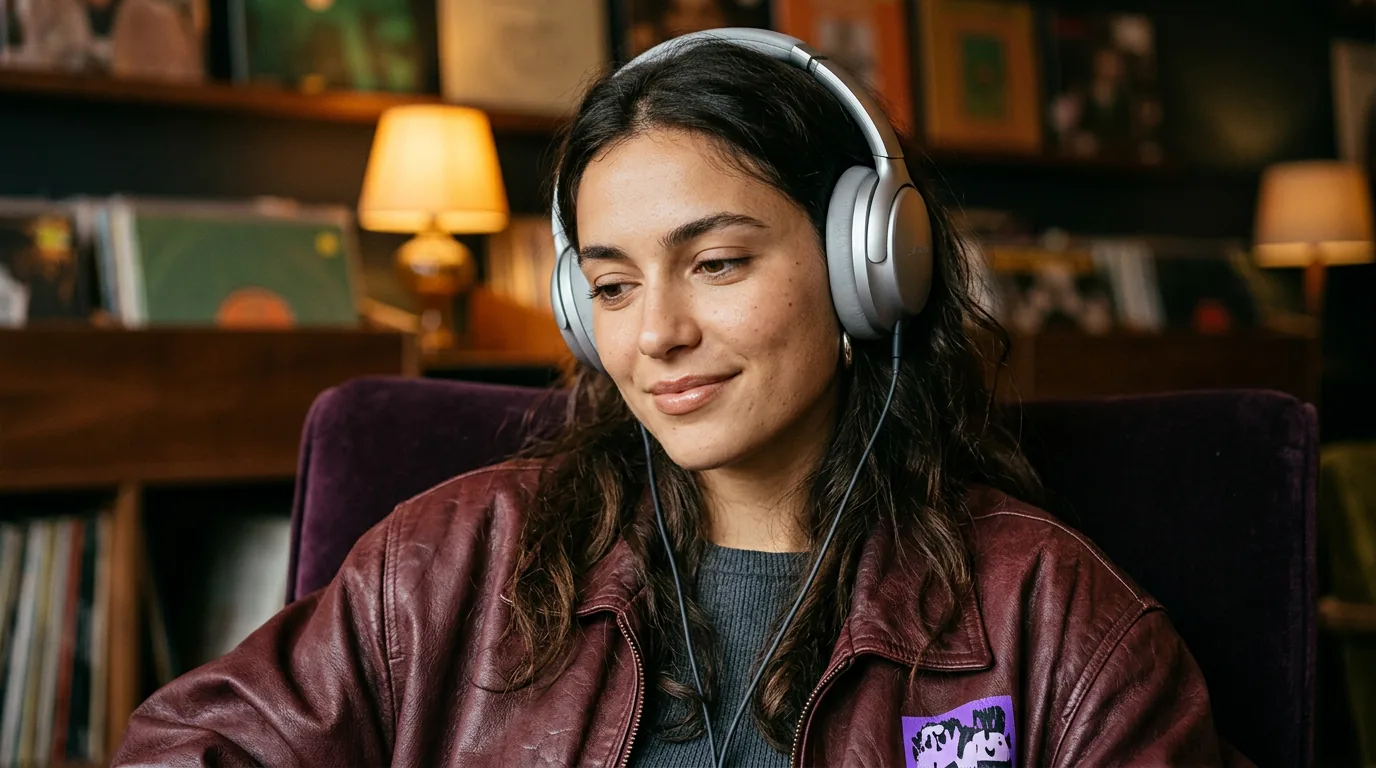
For creators, its strongest advantage is less about one spectacular first image and more about the ability to keep working on an image after that first result.
What is Seedream 5.0 Pro best at?
Seedream 5.0 Pro has a noticeably more design-oriented focus.
It is built around professional visual production, with particular emphasis on complex information visualization, spatially controlled editing, realistic imagery and multilingual generation.
That makes it especially interesting for work such as infographics, posters, technical visuals, commercial layouts and creatives where several pieces of information need to coexist inside one image.
Seedream 5.0 Pro can also work with more targeted editing methods, including spatial selections, sketches, material changes and multiple references. It can separate parts of a composition into editable elements, which makes it more relevant to design-heavy workflows.

The difference is not that GPT Image creates photographs while Seedream creates graphics. Both can do both.
The more useful distinction is that Seedream places more emphasis on understanding and controlling the structure of the design itself.
Which model is better for photorealistic images?
There is no useful universal winner here.
GPT Image 2.5 produces convincing lighting, texture and realistic subjects, and it becomes particularly useful when that realistic image needs to survive several later edits.
Seedream 5.0 Pro is also strong in realism, including materials, reflections, skin, lighting and more complex photographic scenes.
For a one-off cinematic portrait or commercial photograph, either model can be a strong choice.
The difference becomes clearer once you know what needs to happen next.
If you expect to keep changing the photograph conversationally, GPT Image 2.5 is particularly attractive.
If the photograph is part of a more complex composition that also includes structured text, information or design elements, Seedream 5.0 Pro becomes more interesting.
Which model is better for image editing?
Both models are serious editing tools, but their approaches are different.
GPT Image 2.5 is particularly good for natural-language iterative editing. You can upload an image, describe what should change and continue refining the result over several turns.
Its strength is the conversational workflow: change one thing while trying to preserve the character, product, composition or other important elements.
Seedream 5.0 Pro takes a more spatial approach. Instead of relying only on language to explain where an edit should happen, it can work with selected areas, sketches and other forms of localized control.
That becomes useful when the creator knows exactly which part of the image should change.
The distinction is therefore straightforward:
Choose GPT Image 2.5 when you want conversational editing and repeated refinement.
Choose Seedream 5.0 Pro when spatially targeted editing and design-level control are more important.
Neither approach guarantees that every detail will remain perfect. Generative editing can still introduce unexpected changes, so important faces, products, text and secondary objects should always be checked after an edit.
Which model is better for text inside images?
Seedream 5.0 Pro has the stronger specialist case when the image contains a lot of text or information.
It is designed for dense visual communication and multilingual content, which makes it particularly relevant to posters, menus, infographics, educational graphics and other layouts where several levels of text need to work together.
That is different from simply generating one headline inside an image.
An infographic, for example, might need a title, labels, figures, chart annotations and supporting explanations, all arranged within a clear hierarchy.
GPT Image 2.5 can also create useful text-heavy images and has improved at layouts and infographics, but if the brief specifically revolves around dense text plus structured information, Seedream 5.0 Pro is the more specialized choice.
Which model is better for infographics?
Seedream 5.0 Pro has the clearer advantage here.
Infographics require more than attractive image generation. The model needs to understand relationships between information, hierarchy, placement and visual structure.
Seedream 5.0 Pro is particularly suited to timelines, diagrams, technical visuals, educational graphics and other images containing several types of information at once.
GPT Image 2.5 can still work well for simpler infographics and visual explanations, especially when the creative needs to be refined conversationally afterward.
But when the infographic itself is the main deliverable, Seedream 5.0 Pro is the stronger specialist fit.
Which model is better for product images?
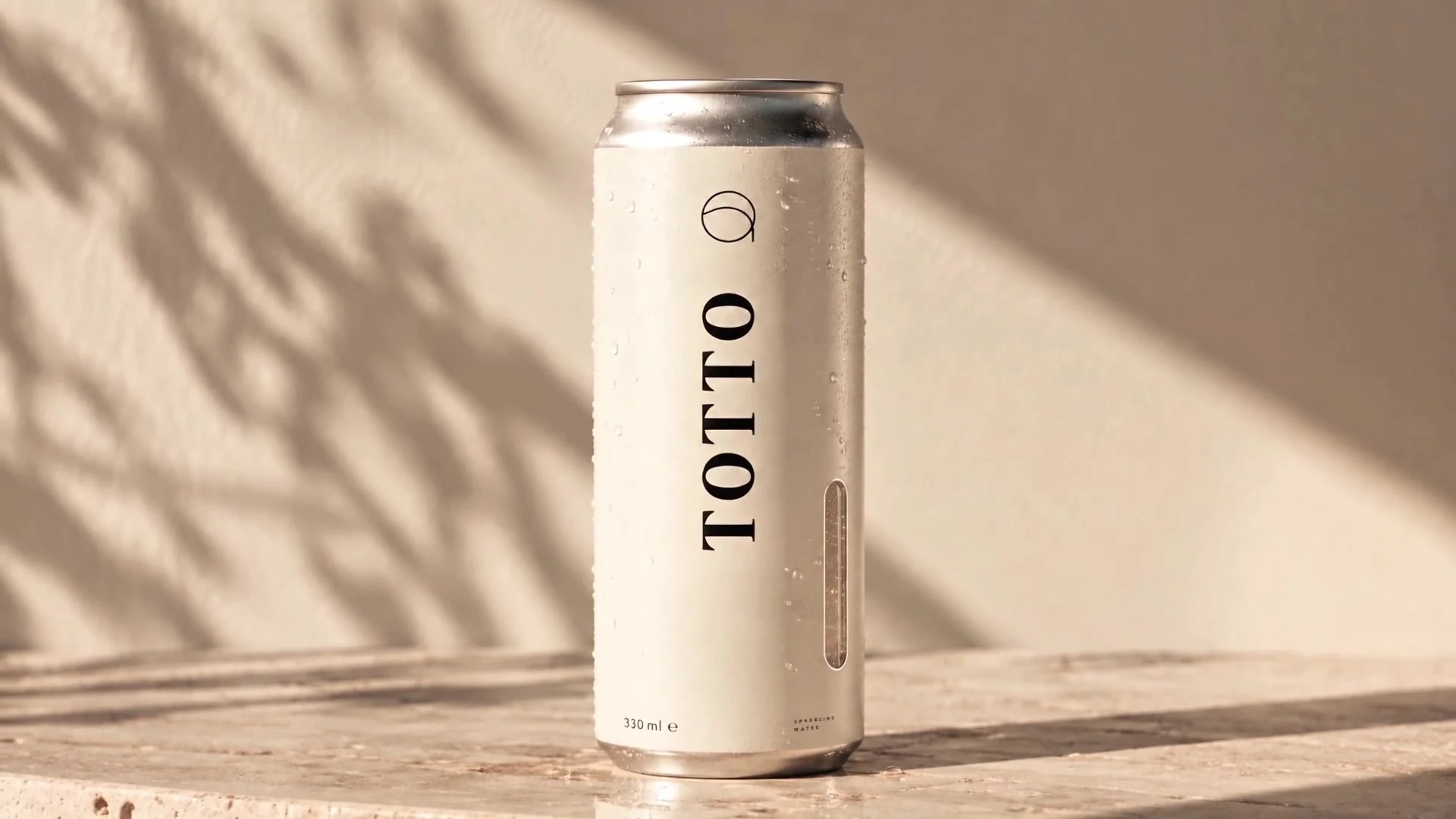
This depends on the kind of product work you are doing.
GPT Image 2.5 is well suited to workflows where you already have a product reference and want to place it into different environments, create campaign variations or repeatedly refine an existing composition.
Preserving the product becomes particularly important when the packaging, logo or proportions should not change every time the scene changes.
Seedream 5.0 Pro becomes more interesting when the product image is only one part of a larger designed asset.
A commercial creative might combine the product, promotional copy, visual hierarchy, several references and additional graphic elements. That kind of structured composition is closer to Seedream's strengths.
A creator does not necessarily need to use only one model.
GPT Image 2.5 may be better for creating and refining the product hero, while Seedream 5.0 Pro may be more useful when that image needs to become a more complex advertising layout.
Which model is better for reference images?
GPT Image 2.5 puts reference preservation at the center of its workflow.
It is especially useful when the goal is to keep the same person, character or product recognizable while changing other aspects of the image.
Seedream 5.0 Pro uses references differently.
It is particularly useful when several reference materials need to contribute different parts of the final composition, such as color, material, subject or visual structure.
So the better model depends on what you mean by "reference."
Use GPT Image 2.5 when the goal is:
Keep this subject while I continue editing it.
Use Seedream 5.0 Pro when the goal is closer to:
Use these references to build and control a more complex composition.
Which model is better for designers?
Seedream 5.0 Pro has the clearer advantage when the task starts to look more like graphic design than traditional image generation.
Its ability to work with complex layouts, targeted areas, sketches and separated visual elements makes it relevant to creators who think in terms of composition and structure rather than only prompts.
That can be useful for advertising, information design, presentation graphics, posters and more complex visual assets.
GPT Image 2.5 is easier to recommend when the process is more conversational: generate, react, edit and repeat.
For many creators, that simplicity is an advantage rather than a limitation.
Where does GPT Image 2.5 fall short?
Improved reference preservation does not mean perfect preservation.
Small objects can disappear. Product details can drift. Text can still contain mistakes, and an editing request can change elements that were supposed to remain untouched.
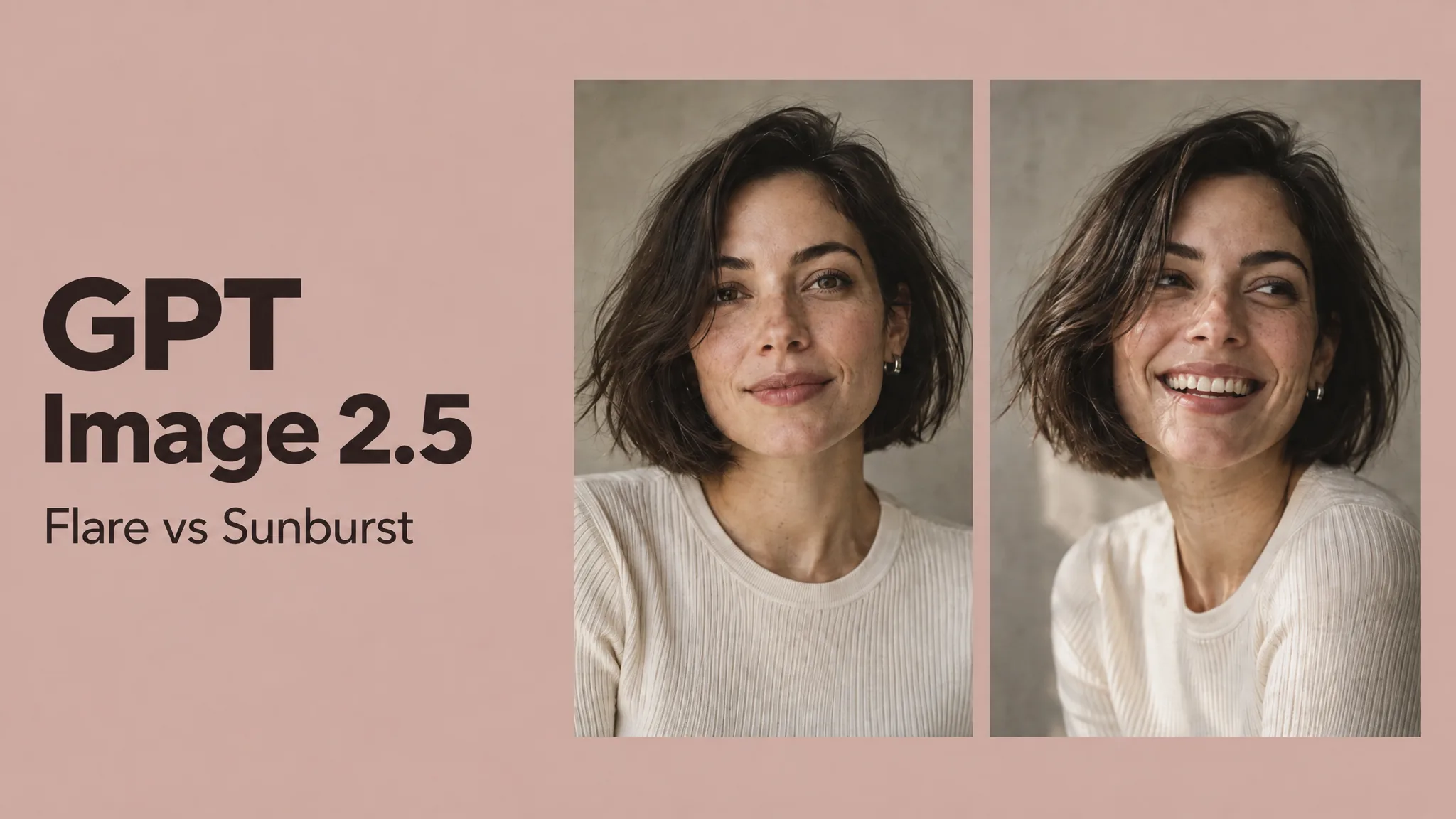
We saw this in our own GPT Image 2.5 Flare vs Sunburst testing, where Flare preserved a coffee cup from the original scene while Sunburst removed it despite receiving the same editing instruction.
That does not make one version universally better. It shows that important details still need to be checked after each generation.
GPT Image 2.5 is powerful for iterative editing, but creators should not assume that every requested element will always survive unchanged.
Where does Seedream 5.0 Pro fall short?
More design capability can also mean more complexity than a simple task actually needs.
If all you want is a portrait, a social image or a quick visual concept, you may not benefit much from Seedream's more specialized design capabilities.
Fine text and pixel-level editing can also still require revision. Dense information does not automatically become perfectly structured simply because the model is designed to handle it.
Its main strength is not that every simple image will look better.
The advantage becomes clearer when the brief actually benefits from complex layout, targeted editing, multiple references or more structured design work.
GPT Image 2.5 or Seedream 5.0 Pro: which should you choose?
Choose GPT Image 2.5 if you want a strong general creative model that is especially useful for generating an image, editing it and continuing to refine the same visual.
It is a particularly good fit for reference-led creative work, portraits, campaign variations, product imagery and conversational editing.
Choose Seedream 5.0 Pro when the image itself needs more structure.
It is especially relevant for infographics, multilingual graphics, complex advertising layouts, design-heavy compositions and workflows where targeting specific parts of an image matters.
For many creators, neither model needs to replace the other.
The simplest way to think about the difference is:
GPT Image 2.5 is stronger when the workflow revolves around refining the image.
Seedream 5.0 Pro is stronger when the workflow starts to resemble design.
Common questions
Is GPT Image 2.5 better than Seedream 5.0 Pro?
Not for every task. GPT Image 2.5 is particularly strong for iterative editing, while Seedream 5.0 Pro is better suited to complex layouts, infographics and design-heavy work.
Which is better for image editing, GPT Image 2.5 or Seedream 5.0 Pro?
GPT Image 2.5 is strong for conversational edits. Seedream 5.0 Pro adds more spatial control for targeted changes and structured visual editing.
Which model is better for photorealistic images?
Both can produce strong photorealistic results. The better choice depends more on whether you need repeated reference edits or a more complex designed composition.
Which model is better for text in images?
Seedream 5.0 Pro has the stronger specialist focus on dense and multilingual text. GPT Image 2.5 also handles text and has improved layout capabilities.
Which model is better for infographics?
Seedream 5.0 Pro is the stronger fit for complex infographics because it is designed around dense information, structured layouts and text-rich visuals.
Which model is better for product images?
GPT Image 2.5 is useful for preserving and editing product references. Seedream 5.0 Pro becomes more useful when the product is part of a complex designed advertisement.
Can Seedream 5.0 Pro edit existing images?
Yes. It supports targeted editing and can work with selected areas, sketches, references and other controls for more localized changes.
Should creators use both models?
They can complement each other. GPT Image 2.5 works well for iterative image creation, while Seedream 5.0 Pro is useful when the work becomes more design-heavy or information-dense.